


-
Call Us
T. : 0086-592-5657925
M. : 0086-1360-6089-112
-
Email Us
-
Skype
T. : 0086-592-5657925
M. : 0086-1360-6089-112
Brand:
SEA FORESTItem NO.:
World's Largest EnerBusiness inquiries +86 1360 608 9112
share to:


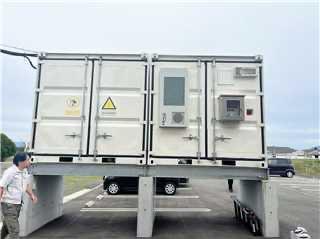 Where there is sun, there is SEAFOREST solar panels. Where there is energy storage, there is SUNFOREST.
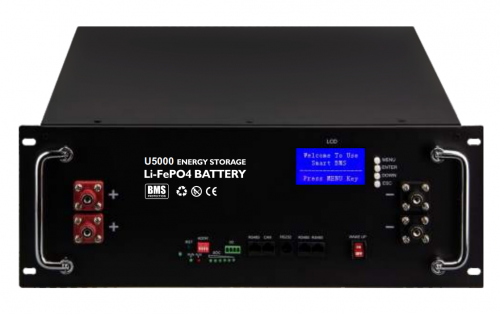 SEAFOREST 5KW Inverter and 10KWH Energy Storage Lithium Battery
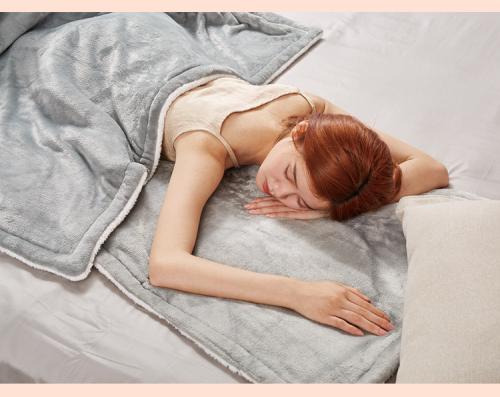 Thick Soft Flannel Heated Plush Warm Winter Throw Electric Blanket 110V 50*60 Inches for Home
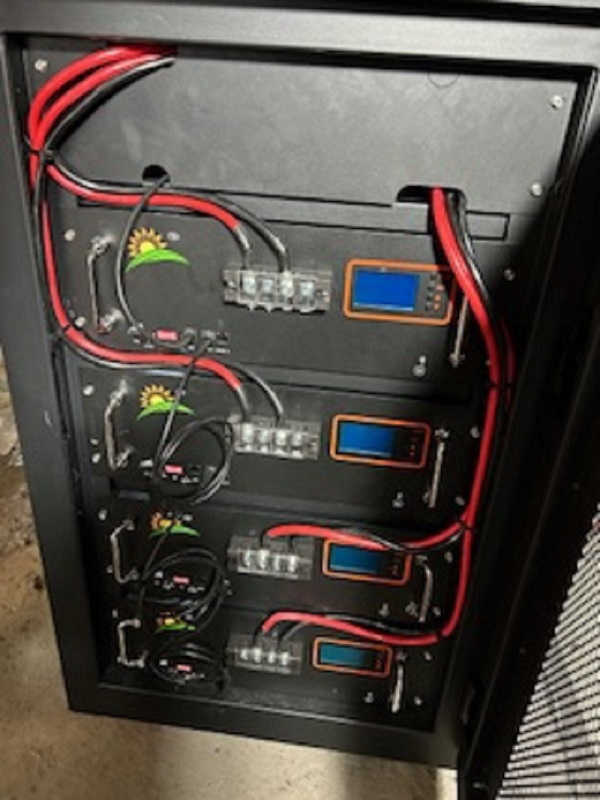
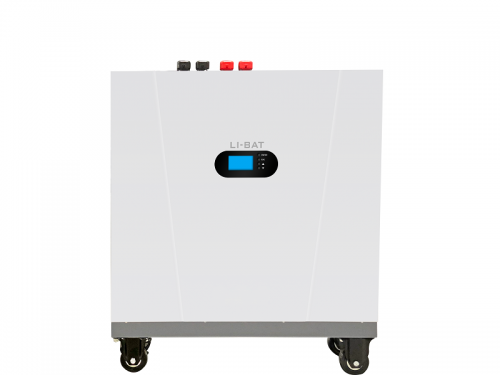 SEAFOREST 48V300AH Lithium Battery – Off-Grid Energy Storage for a Smarter, Greener Life!
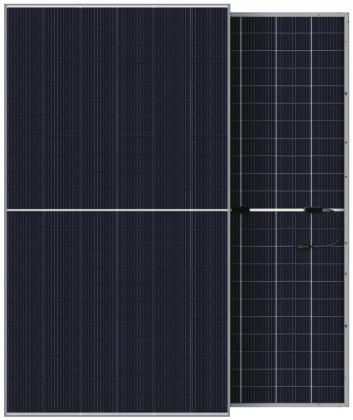
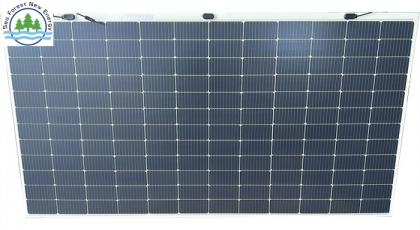
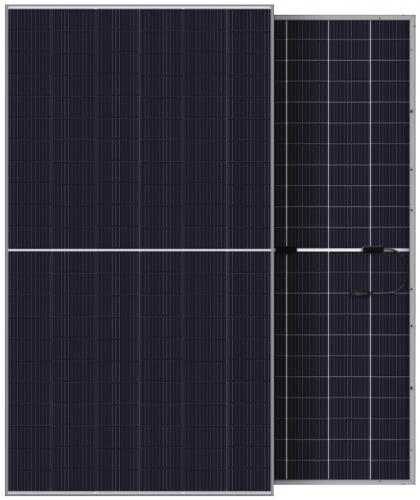 710W N-Type HJT Half-cut Bifacial Solar Module
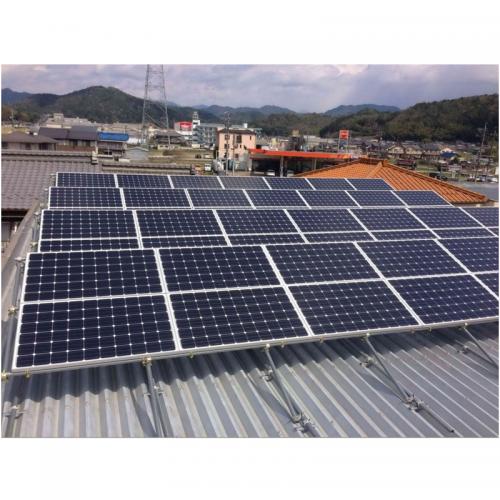 10KW On Grid Solar Home System
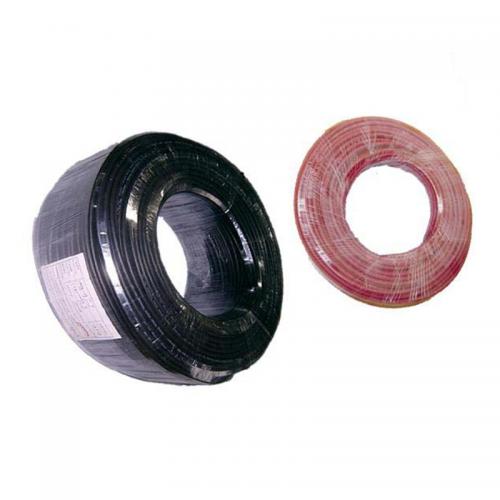 4mm2 Solar Cable Interconnecting Solar Panel Arrays
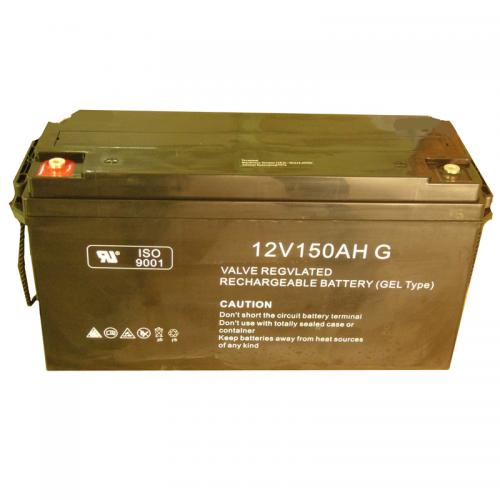 12V150AH GEL Battery For Solar System
Room 2206, No. 6 Hubin East Road,Xiamen,China.
Mobile Phone : 0086-1360-6089-112
WhatsApp : +8613606089112
E-mail : 852966384@qq.com
Scan it